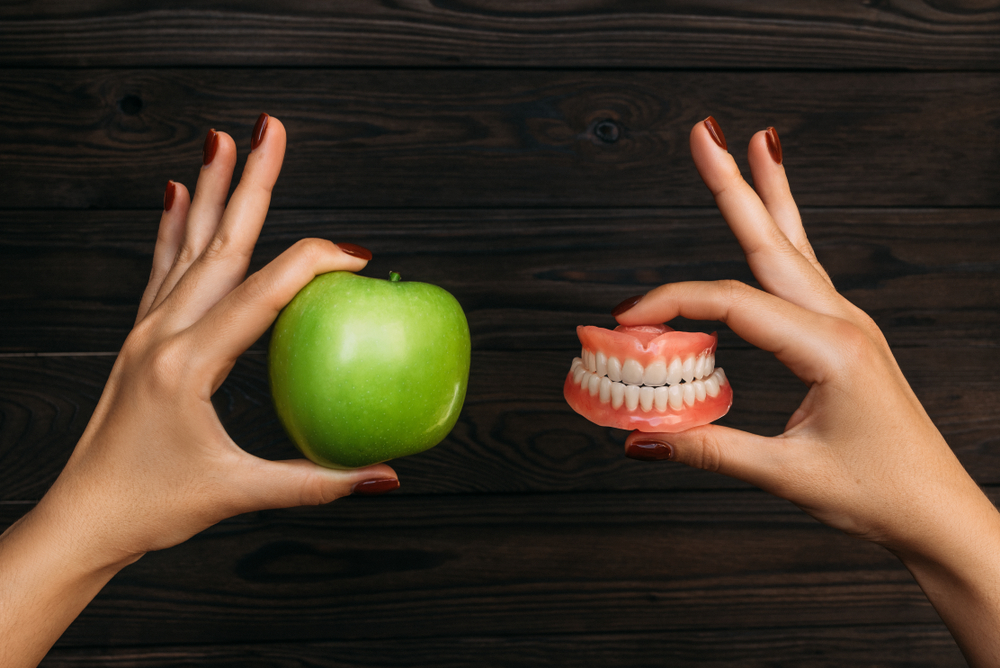
Adjusting to life with dentures takes time, especially when it comes to eating. While modern dentures are designed for comfort and function, your mouth still needs a short adaptation period. Understanding which foods to enjoy and which to limit can make a big difference in how confident and comfortable you feel at mealtimes.
Whether you’re new to wearing dentures or have had them for years, smart food choices help protect your dentures and maintain your oral health.
The First Few Weeks: Take It Slow
When you first begin eating with dentures, your gums and jaw muscles are still adjusting. Start with soft foods and cut everything into small, manageable pieces. Chew slowly and evenly on both sides of your mouth to keep your dentures stable.
It’s normal to feel mild soreness at first. Choosing gentle foods reduces pressure on your gums and helps prevent irritation.
Foods to Enjoy With Dentures
The good news is that you can still enjoy a wide variety of nutritious and delicious meals.
1. Soft Fruits and Cooked Vegetables
Bananas, peeled apples, peaches, and berries are easy to chew. Steamed vegetables like carrots, zucchini, and spinach are also denture-friendly and packed with nutrients.
2. Lean Proteins
Soft proteins such as scrambled eggs, fish, ground chicken, tofu, and slow-cooked meats are excellent options. These provide essential nutrients without putting too much strain on your dentures.
3. Dairy Products
Yogurt, cottage cheese, and soft cheeses are easy to eat and rich in calcium, which supports overall oral health.
4. Whole Grains
Oatmeal, soft rice, pasta, and well-cooked quinoa are filling and comfortable to chew. Avoid very hard or crunchy grain products in the beginning.
5. Soups and Stews
Soups are one of the best meal choices when adjusting to dentures. They are soft, easy to swallow, and can be highly nutritious. Just ensure foods are cut into small pieces.
Foods to Be Careful With
Certain foods can cause discomfort or even damage dentures if you’re not cautious.
1. Sticky Foods
Caramel, chewing gum, and sticky candies can pull at your dentures and cause them to shift. These foods may also leave residue that is difficult to clean.
2. Hard or Crunchy Foods
Nuts, popcorn, hard crackers, and ice can crack or loosen dentures. Hard foods also increase pressure on your gums.
3. Tough Meats
Steak or thick cuts of meat can be difficult to chew. If you do eat them, cut into very small pieces and chew slowly.
4. Extremely Hot Foods
Dentures can slightly reduce your ability to sense temperature. Always test hot foods and drinks carefully to avoid burns.
5. Small, Sharp Foods
Seeds and small particles can become trapped under dentures, leading to irritation and soreness.
Helpful Eating Tips for Denture Wearers
Eating with dentures becomes easier with practice. Here are some simple strategies:
-
Chew evenly on both sides of your mouth
-
Take smaller bites than you normally would
-
Avoid biting with your front dentures alone
-
Drink water while eating to help with swallowing
-
Clean dentures thoroughly after every meal
Maintaining regular dental visits is also important. If your dentures feel loose or uncomfortable, adjustments may be needed. Patients considering dentures in Brampton often ask how long it takes to feel normal while eating. Most people adjust within a few weeks with proper guidance and follow-up care.
Nutrition Still Matters
Wearing dentures should not limit your nutrition. A balanced diet supports gum health and overall well-being. If certain foods become difficult to eat, look for alternatives with similar nutrients. For example, if raw vegetables are uncomfortable, try steaming or blending them instead.
If you notice persistent discomfort, sores, or difficulty chewing, it may be time to consult a dentist near you. Ill-fitting dentures can affect not only your eating but also your speech and confidence.
Long-Term Care and Comfort
Over time, your gums and jawbone naturally change shape. This may cause dentures to feel loose. Relines or adjustments can restore a secure fit and improve chewing ability.
Proper cleaning also extends the life of your dentures. Brush them daily using a soft brush and denture cleanser, and soak them overnight as recommended. Avoid using regular toothpaste, as it can be too abrasive.
With the right care, dentures can allow you to enjoy most of your favorite foods comfortably and confidently.
Enjoy Eating With Confidence
Eating with dentures may feel challenging at first, but with patience and the right food choices, it becomes much easier. Avoid hard and sticky foods, focus on balanced meals, and follow good denture care habits to maintain comfort and durability.
If you are considering dentures or need adjustments to improve your eating experience, The Smile Company Dental Centre is here to help. Our experienced team provides personalized denture solutions designed for comfort, function, and confidence. Book your appointment today and take the next step toward enjoying your meals — and your smile — with ease.